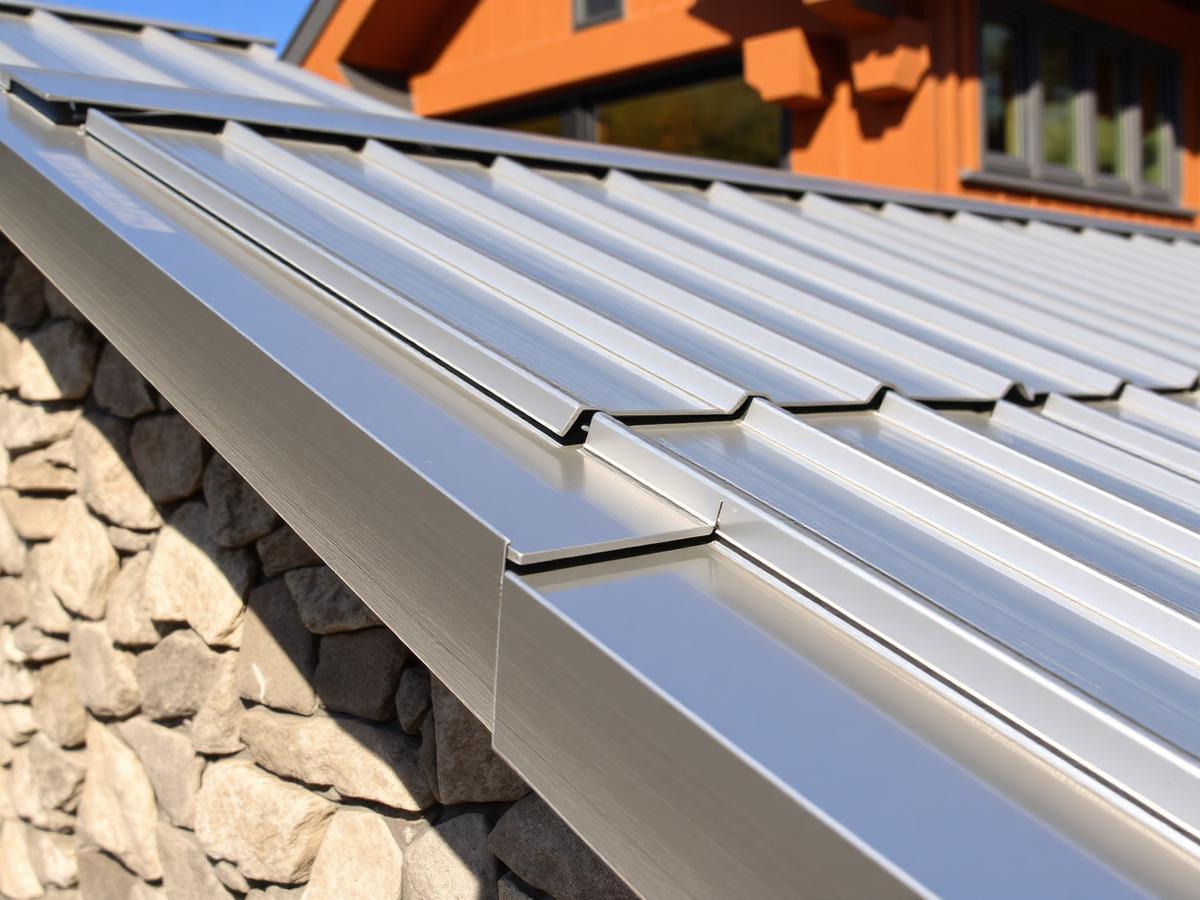
Roof Details

The panels don't fail. The details do.

Every failure mode on a metal roof traces back to a handful of details. Here's how we install each one — and what to look for on yours.

Roof-to-Wall Transitions

Detail 01

Roof-to-Wall Transitions

Where a roof plane meets a vertical wall is where the leaks live. We install step flashing under each panel course, tucked behind wall cladding, then run a separate counter-flashing to shed water away from the joint. No caulk-and-pray — mechanical protection, then a sealant as backup.
Gable & Rake Trim

Detail 02

Gable & Rake Trim

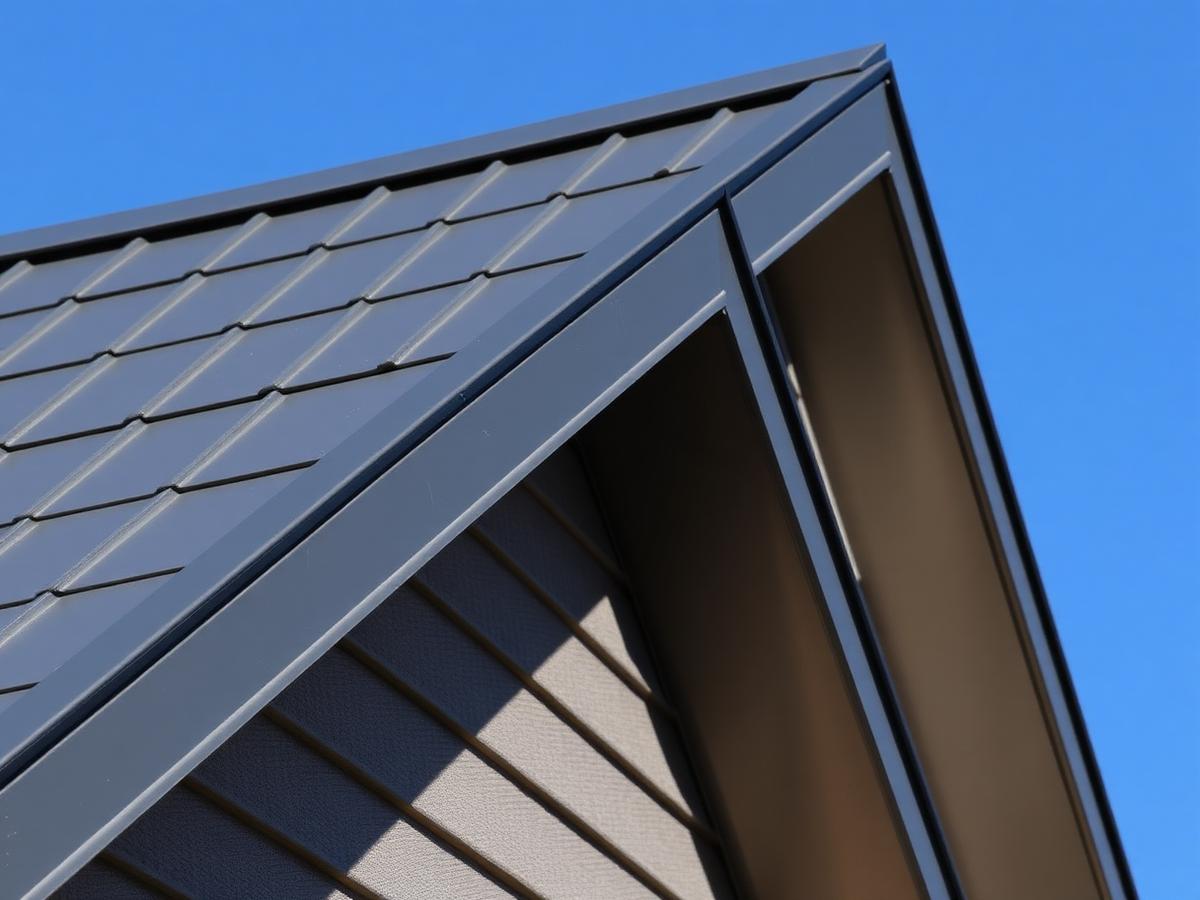
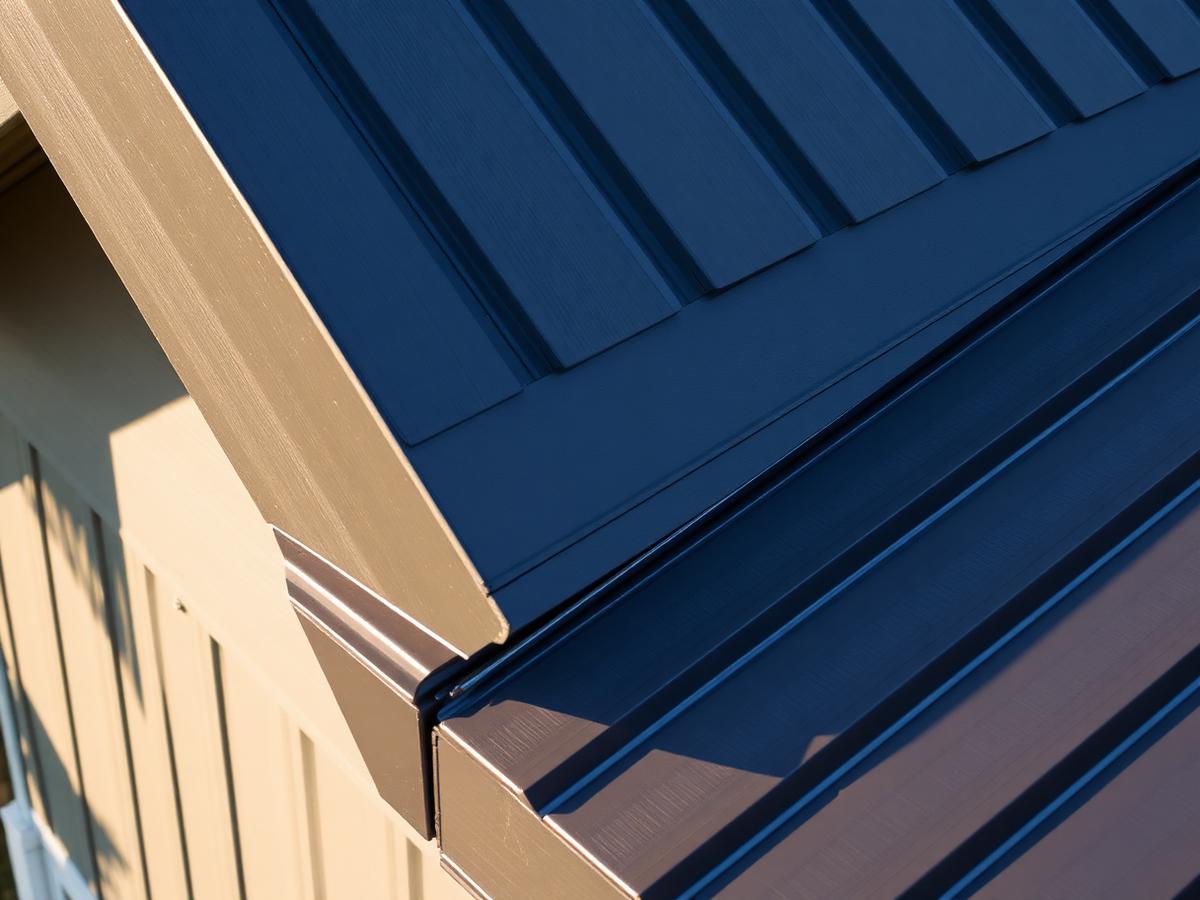
Gable ends take the worst wind uplift on the roof. Panel edges get hem-locked into a cleated rake trim so there's no exposed fastener along the rake — just clean, straight metal that grips the panel edge from underneath.

Ridge Caps & Ventilation

Detail 03

Ridge Caps & Ventilation

A ridge cap is not just a cover — it's the exhaust for the entire roof assembly. We use a vented ridge with a closure that blocks bugs, snow, and driving rain while letting hot attic air escape. Panels get slit and turned up under the cap to prevent capillary draw.

Valleys

Detail 04

Valleys

Open metal valleys with an ice-and-water membrane run full-length underneath. Panel ends are cut on a bias, hemmed, and cleated so they can expand and contract without oil-canning or backing water uphill in a driving rain.

Chimney, Skylight & Pipe Flashing

Detail 05

Chimney, Skylight & Pipe Flashing

Every penetration gets a purpose-built flashing kit — high-temp silicone pipe boots for vents, soldered or mechanically-locked pans for chimneys, and factory curbs for skylights. If it pokes through your roof, it gets its own detail.

Drip Edge & Eaves

Detail 06

Drip Edge & Eaves

The eave is where snow, ice, and gutter overflow attack the roof edge. Our eave detail: ice-and-water underlayment 24" past the interior wall line, a hemmed drip edge, and panel hems that engage the drip so water can't crawl back up the panel.

Snow Retention

Detail 07

Snow Retention

Metal sheds snow fast — sometimes too fast. On homes with entries, walkways, or lower roof planes below, we engineer snow guards or continuous rails so avalanches don't rip off gutters or land on people.